When most people picture mens 1920s fashion, they jump straight to The Great Gatsby: champagne, excess, men draped in white linen at rooftop parties. And honestly, that image isn’t totally wrong. But it misses a lot. The 1920s were also about practicality, and the decade quietly laid down style rules that still show up in menswear today.
From sharp tailoring to carefully chosen accessories, mens 1920s fashion was more considered than it gets credit for. I’d argue it’s one of the more underrated decades in terms of lasting influence.
Key Fashion Items of the 1920s
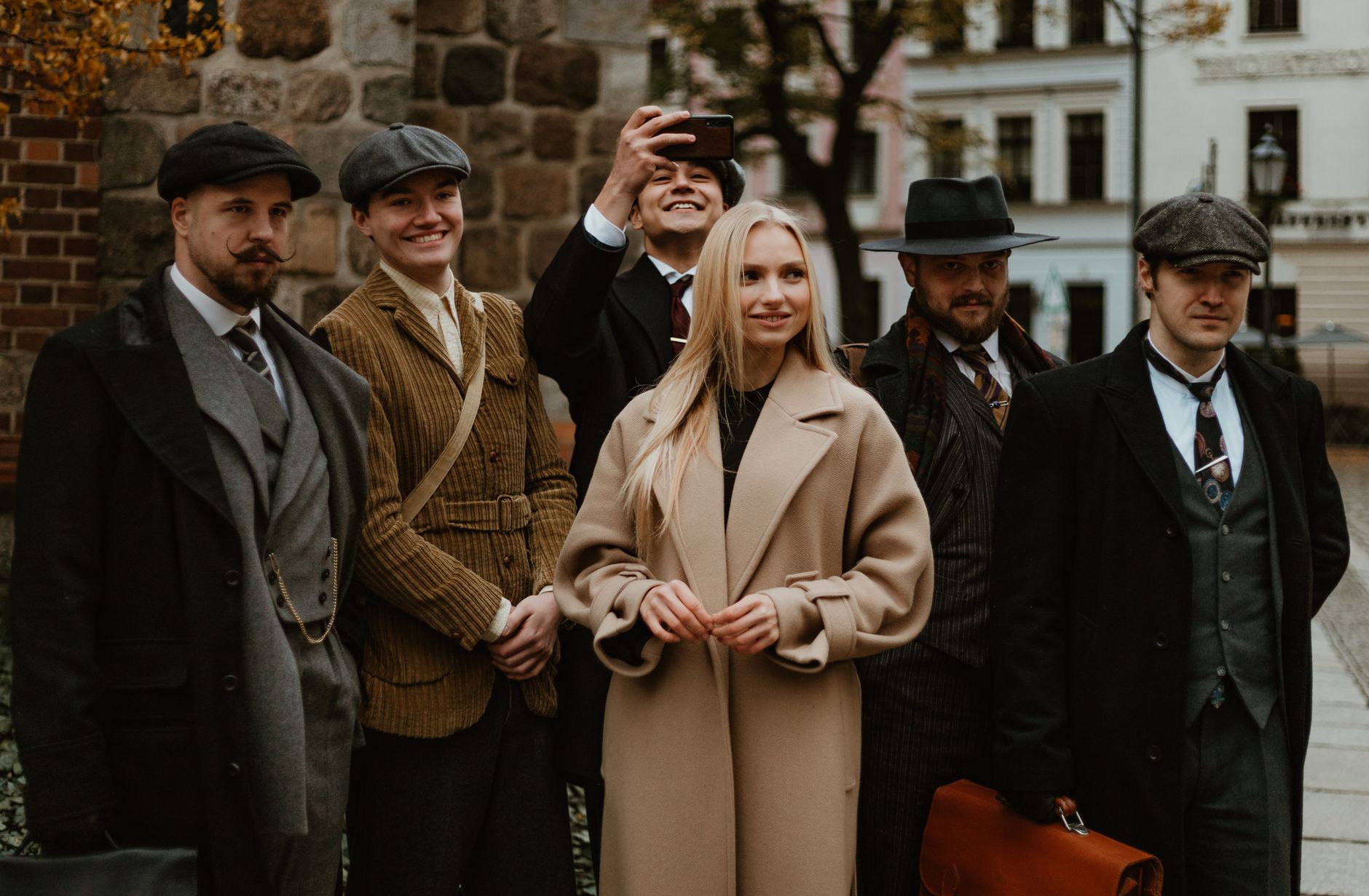
The tailored suit was the cornerstone. A well-fitted wool or tweed suit wasn’t cheap, typically running $15 to $30 at the time, which was real money for most men. You paired it with a crisp white or pastel dress shirt, a tie or bow tie, and usually a vest underneath for that extra bit of polish. As the decade moved along, silhouettes tightened up. Jackets got shorter, trousers slimmed down, and the whole look shed the bulkier proportions of the Edwardian era before it.
Fabrics That Defined an Era
Wool and tweed dominated the cooler months, valued for warmth and a certain ruggedness that suited the working professional. Come summer, linen and cotton took over, especially for smarter casual outfits. Houndstooth and plaid patterns appeared frequently on suits, and from what I’ve seen in vintage catalogues, the more textured the fabric, the more status it implied. The choice of material wasn’t purely aesthetic. It reflected a cultural loosening, a Jazz Age willingness to be comfortable without looking sloppy.
Influential Designers and Their Impact
Paul Poiret did a lot of quiet work reshaping menswear by moving away from rigid formal construction. His silhouettes were looser, easier to move in, and they fit the jazz club energy of the era better than anything that came before. Coco Chanel is mostly remembered for womenswear, but her push toward simpler, more functional clothing bled into how men dressed too. Both designers were essentially arguing that clothing should work with the body rather than perform around it. That idea sounds obvious now, but it wasn’t at the time.
Accessories That Made a Statement
This is where mens 1920s fashion gets genuinely fun. The fedora was everywhere, a reliable way to elevate an otherwise plain suit. Pocket squares sat folded in breast pockets not just for decoration but as a deliberate signal that the wearer paid attention. Suspenders kept trousers sharp (belts were actually considered a bit casual), and cufflinks added weight and intention to a dress shirt cuff. These weren’t throwaway details. They were the whole point, the part that separated a man who dressed from one who just got dressed.
Modern Adaptations of the 1920s Style
Slim-fit suits today owe something real to 1920s tailoring, even if most people wearing them don’t know it. Tweed sport coats, which I keep seeing at weddings and in office environments, pull directly from that era’s fabric palette. The fedora has cycled back into casual wear (though I’ll admit it’s easy to get wrong). Pocket squares never fully disappeared from formalwear. What’s interesting is that these pieces don’t read as costumes when they’re worn well; they just look like someone who knows what they’re doing.
Its Lasting Mark on Menswear
Mens 1920s fashion embedded a few ideas that stuck: quality fabric matters, fit is everything, and accessories are worth the effort. Fashion houses still reach back to that decade regularly, pulling in patterned fabrics, structured blazers, and the kind of considered detailing that defined the era. It’s not nostalgia exactly. More like a reliable well to draw from, because the proportions and the logic behind them still hold up a century later.
FAQs
What were popular colors in 1920s men’s fashion?
Muted tones like grey, navy, and earth shades dominated suits, while burgundy and forest green appeared in accessories and casual pieces.
How did the 1920s affect men’s accessories?
Fedoras and pocket squares became genuine wardrobe essentials, treated as markers of taste and attention to detail rather than optional extras.
What 1920s styles are still worn today?
Tailored suits, slim trousers, and accessories like fedoras and pocket squares remain current, carrying the decade’s influence into modern wardrobes.