When you think of 60s mens fashion, you probably picture mod suits and colorful paisley patterns. But did you know that clothing prices in that decade averaged around $15 for a shirt and $25 for trousers? Back then, fashion wasn’t just about clothes; it was a cultural revolution. The trends from the 60s didn’t just disappear; their influence is still woven into modern style and how we dress today.
In the 60s, menswear embraced experimentation and self-expression. Designers and public figures were continuously pushing boundaries. From tailored suits to the casual vibe of denim, the decade was full of styles that still inspire what we wear now. Let’s check out some key figures, iconic styles, cultural impacts, and how these trends are making a comeback in men’s fashion.
Key Figures in 60s Fashion
Several iconic figures played a major role in shaping 60s mens fashion. A classic example is Paul Weller, known as the “Modfather.” His slicked-back hair and sharp suits perfectly captured the mod style that appealed to many young men. Another standout was David Bowie, whose Ziggy Stardust persona transformed menswear. Bowie promoted bold colors and extravagant styles, influencing generations.
Fashion designers like Pierre Cardin and Yves Saint Laurent also made significant contributions. Cardin introduced geometric patterns and synthetic fabrics that reflected the modernist movement, while Saint Laurent’s tuxedo jacket for women blurred gender lines and redefined masculinity. These creators didn’t just follow trends; they set them, and their effects are still visible in our clothing choices today.
Iconic Styles of the Decade
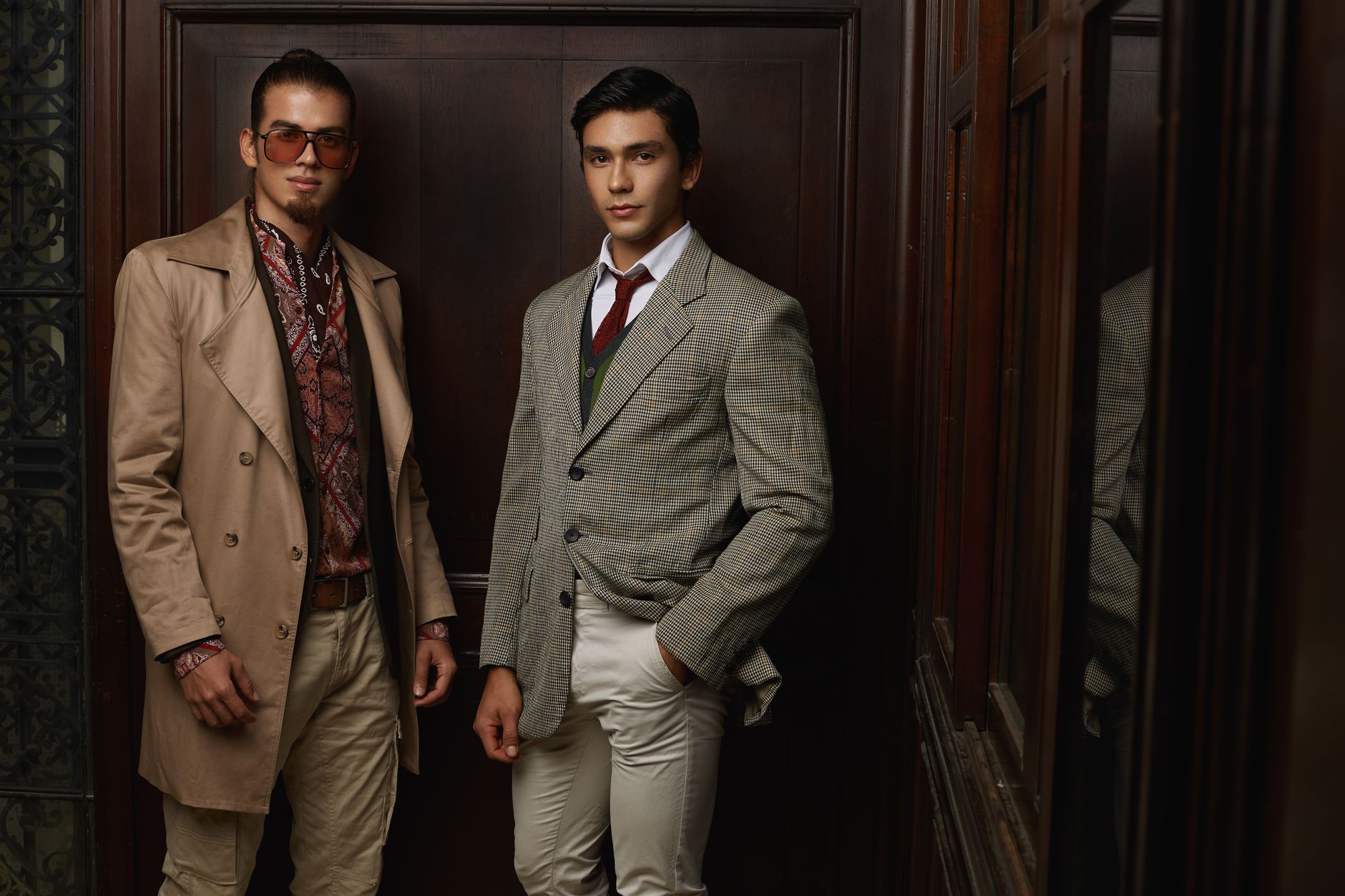
The 60s were marked by distinct styles that shifted menswear forever. The sharp, tailored suits embraced by mod culture were a big deal. These suits often featured bright colors and unique fabrics. They really set the stage for what we see in tailored clothing now. Casual styles also gained traction with the “Ivy League” look, which included chinos, button-down shirts, and loafers—styles that definitely made a significant comeback recently.
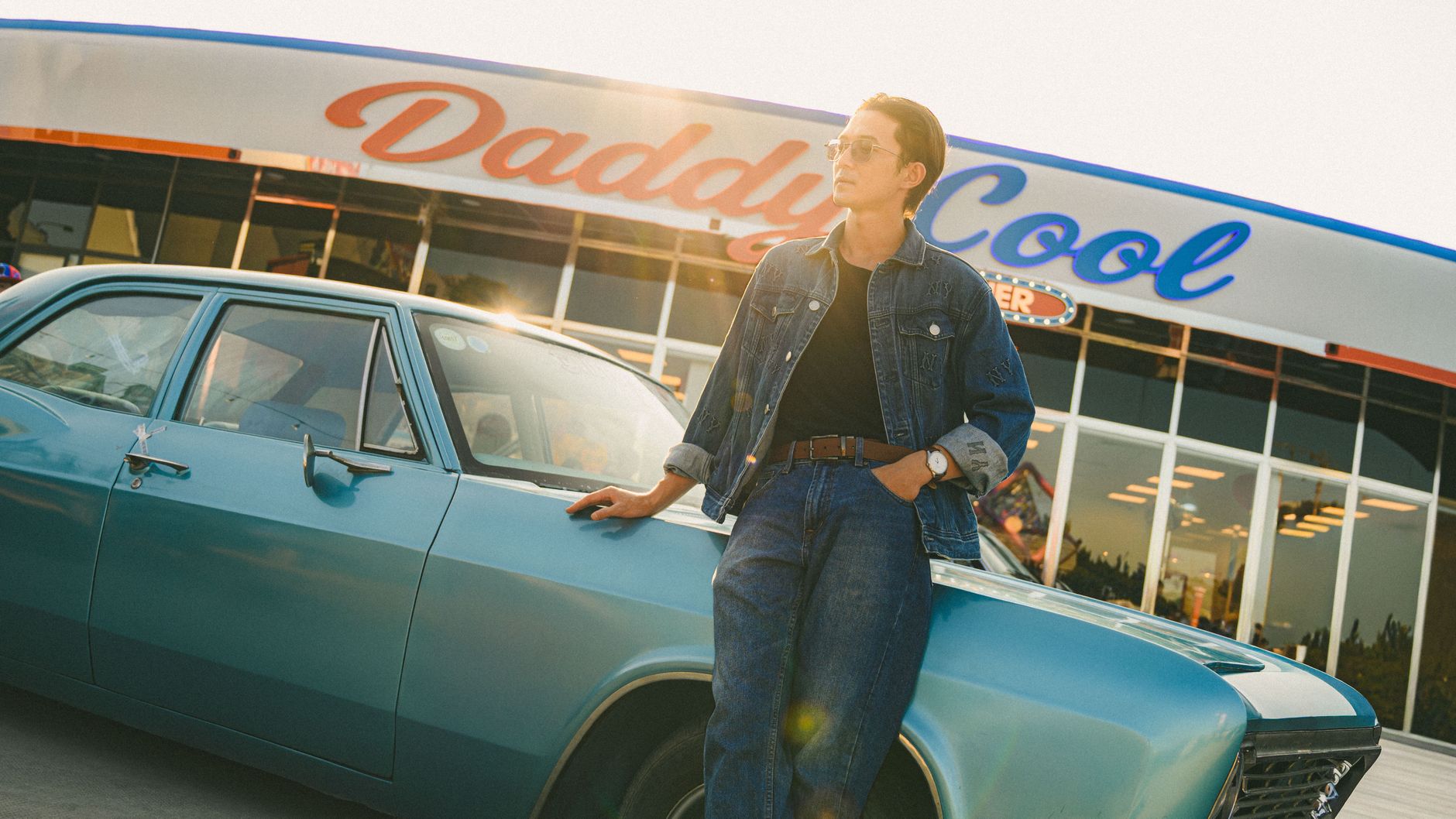
Denim, too, had a huge impact. Bell-bottoms and straight-leg jeans became staples across gender lines. Each of these styles embodied a sense of rebellion against the establishment, influencing counterculture movements along the way. If you look around today, you’ll notice these styles are popular again. High-waisted trousers and cropped jackets are popping up in contemporary collections, proving the 60s are far from forgotten.
Cultural Impact on Society
Fashion in the 60s was intricately linked to the cultural upheavals of the era. As counterculture movements flourished, so did the desire for self-expression through clothing. Young people revolted against traditional norms, mixing style choices with political statements that promoted peace, love, and rebellion.
Television and film also showcased notable fashion trends. Just think of the sharp looks in “Mad Men” or the vibrant styles in “The Monkees.” This media representation pushed mainstream acceptance of eclectic designs. Nowadays, we still see this cultural influence on social media. Influencers are constantly reviving and reinterpreting 60s aesthetics, blending them into modern trends while honoring an incredible heritage.
Revival in Modern Trends
Right now, it’s exciting to see how 60s mens fashion is experiencing a revival. Brands like Gucci and Prada are weaving retro elements into their collections, bringing back bold prints, tailored cuts, and the high-waisted trousers that were all the rage. Even streetwear brands are embracing this aesthetic, fusing casual and formal elements reminiscent of that colorful decade.
The modern push towards sustainable fashion has also sparked a rise in vintage shopping. Many people are on the hunt for original pieces from the 60s. This trend reflects a nostalgic yearning and highlights the enduring charm of 60s styles today. People are wearing these clothes not just as vintage but also as unique fashion statements.
Final Thoughts on 60s Influence
The impact of 60s mens fashion on today’s trends is clear. From the influential figures who shaped styles to the cultural movements that pushed fashion boundaries, this decade left an undeniable legacy. The revival of 60s aesthetics in modern menswear shows how these styles can be both timeless and progressive. Men today have a great opportunity to draw inspiration from the past while expressing their own style.
As we witness these trends evolve, embracing the essence of self-expression and individuality from the 60s opens up endless possibilities. It demonstrates that while styles may change, the heart of fashion as a reflection of our identities remains ever-constant.
FAQs
What were popular colors in 60s mens fashion?
Bold and vivid colors like bright reds, greens, and blues were trendy, often mixed with contrasting patterns. Earth tones also gained popularity, especially in more relaxed styles.
How did 60s fashion influence later styles?
The 60s established a spirit of rebellion and self-expression, affecting many fashion trends in subsequent decades, including the casual wear movements of the 70s and 80s.
What brands are known for 60s-inspired menswear?
Brands like Paul Smith, Gucci, and Prada often pull inspiration from 60s fashion, integrating tailored cuts, bright patterns, and retro designs into their collections.