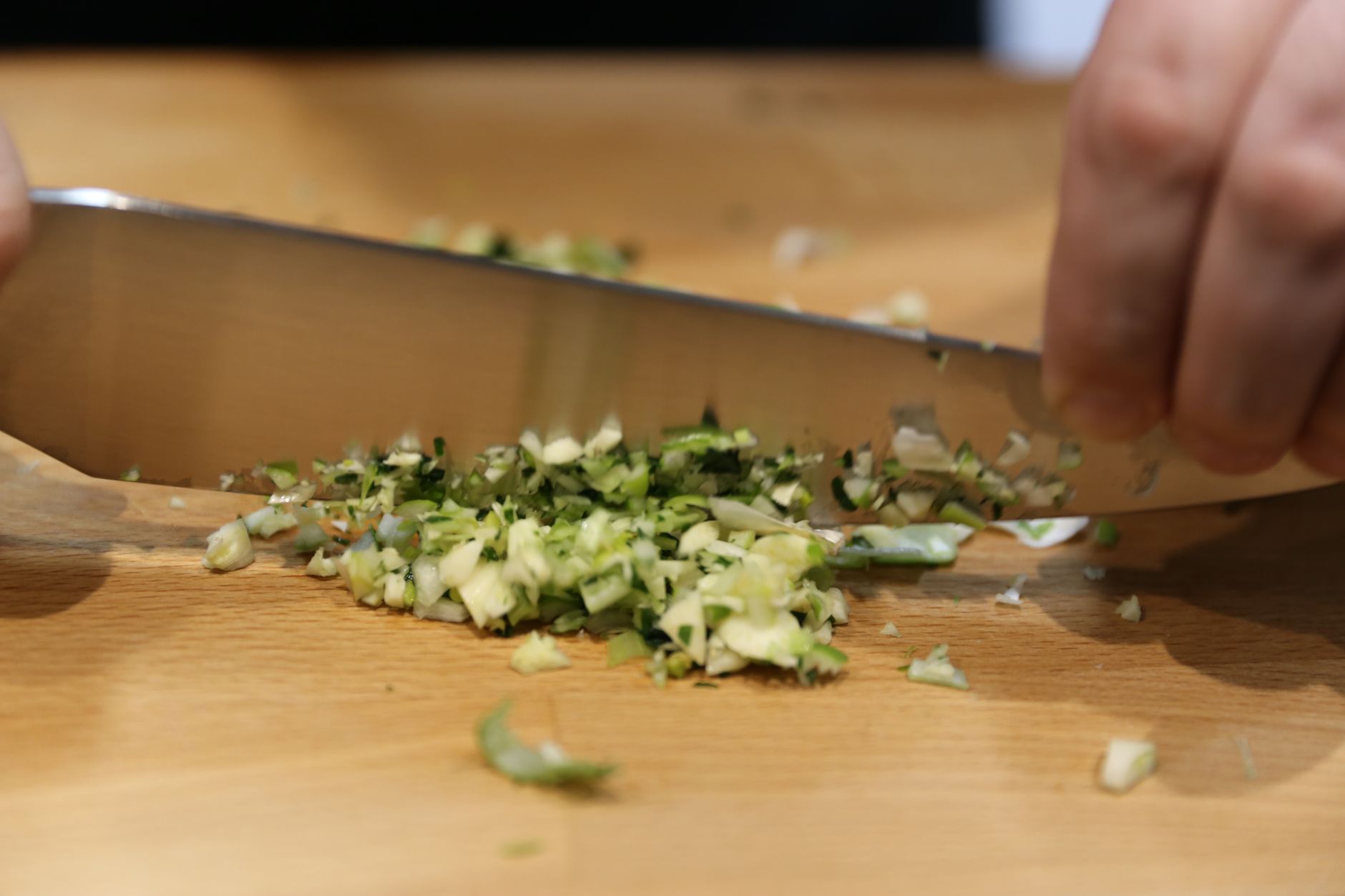
A cutting board is one of those kitchen tools most people never think twice about, but it directly affects food safety and, honestly, your health more than you’d expect. The material matters. And once you start looking into it, the differences between your options are pretty striking. Here’s what you actually need to know about the best cutting board material for health before you spend money on the wrong thing.
Every material has real trade-offs, not just marketing claims. I’ve looked at bacteria retention, durability, cost, and day-to-day care for each one, so you can make a sensible call based on how your kitchen actually works.
Plastic vs. Wood: Health Insights
Most people assume plastic wins on hygiene because it looks cleaner and feels more clinical. That’s a reasonable guess, but it doesn’t quite hold up. Research published in the Journal of Food Protection found wooden boards actually retained fewer bacteria than plastic ones after regular use. Wood, particularly hardwoods like maple or walnut, has natural antimicrobial properties that work in your favor. Plastic, meanwhile, develops knife grooves over time, and those grooves trap bacteria even after a thorough wash. A well-maintained hardwood board will genuinely outperform a scratched-up plastic one.
That said, plastic boards aren’t useless. They’re easier to toss in the dishwasher, and when they’re new and smooth, they’re fine. The problem is most people keep them too long. If yours looks like a road map of knife marks, it’s past its prime.
Bacteria Growth on Different Materials
Bamboo deserves a mention here because it surprises people. It’s technically a grass, not a wood, but it shows antimicrobial properties similar to hardwood. For anyone serious about reducing cross-contamination risk, both hardwood and bamboo are solid picks. Plastic scores lower once the surface is compromised, because sanitizing a deeply grooved board is harder than it sounds. Hot soapy water doesn’t reach everything hiding in those cuts.
When I set this up in my own kitchen, I started using a dedicated board for raw meat (plastic, replaced regularly) and a hardwood board for everything else. That split approach is what most cautious home cooks land on, and it makes sense.
Cost and Longevity of Cutting Boards
Here’s a quick breakdown of what to expect, both in price and lifespan:
- Plastic boards: $10–$50, last around 5–7 years
- Wood boards: $30–$200+, last 10–20 years with care
- Bamboo boards: $20–$60, typically 5–10 years
A decent hardwood board from a reputable maker runs $50–$80 and will outlast three or four plastic replacements. When you’re thinking about the best cutting board material for health, upfront cost isn’t the whole picture. A $15 plastic board you replace every few years costs more over a decade than one good maple board bought once.
Maintaining Your Cutting Board
Plastic boards are low-effort. Hot soapy water and a scrub brush handle most of it, and many are dishwasher-safe (though repeated high-heat cycles can warp them faster than you’d expect). Wooden boards need a bit more attention. Rub them with food-grade mineral oil every month or so, more often if they look dry. Never soak them in the sink, and always stand them upright to air-dry so moisture doesn’t sit on one side.
Bamboo is somewhere in the middle. It’s harder than most woods, which sounds good, but that hardness can actually dull your knives faster. I’d skip bamboo if you care about keeping your knife edges sharp. It’s not a dealbreaker for everyone, just worth knowing.
Making the Right Call
Choosing the best cutting board material for health comes down to your habits more than any universal rule. If you want one board that does everything and you’re willing to maintain it, a hardwood maple or walnut board is the right answer. If you cook a lot of raw meat and want something you can run through the dishwasher without guilt, keep a plastic board around for that purpose and replace it when it gets beat up.
Both materials are genuinely safe when you take care of them. The risk isn’t really in the material itself but in how long people hold onto boards that should’ve been replaced already.
FAQs
What is the safest cutting board material?
Hardwood boards are generally the safest because of their natural antibacterial properties, but plastic boards maintained in good condition work fine too.
How often should I replace my cutting board?
Replace plastic boards every 5–7 years; wooden boards can last 10–20 years but should go sooner if deeply scarred.
Can I use both plastic and wood boards?
Many cooks use plastic for raw meat and wood for produce and bread, which is a practical way to reduce cross-contamination.



1 Comments