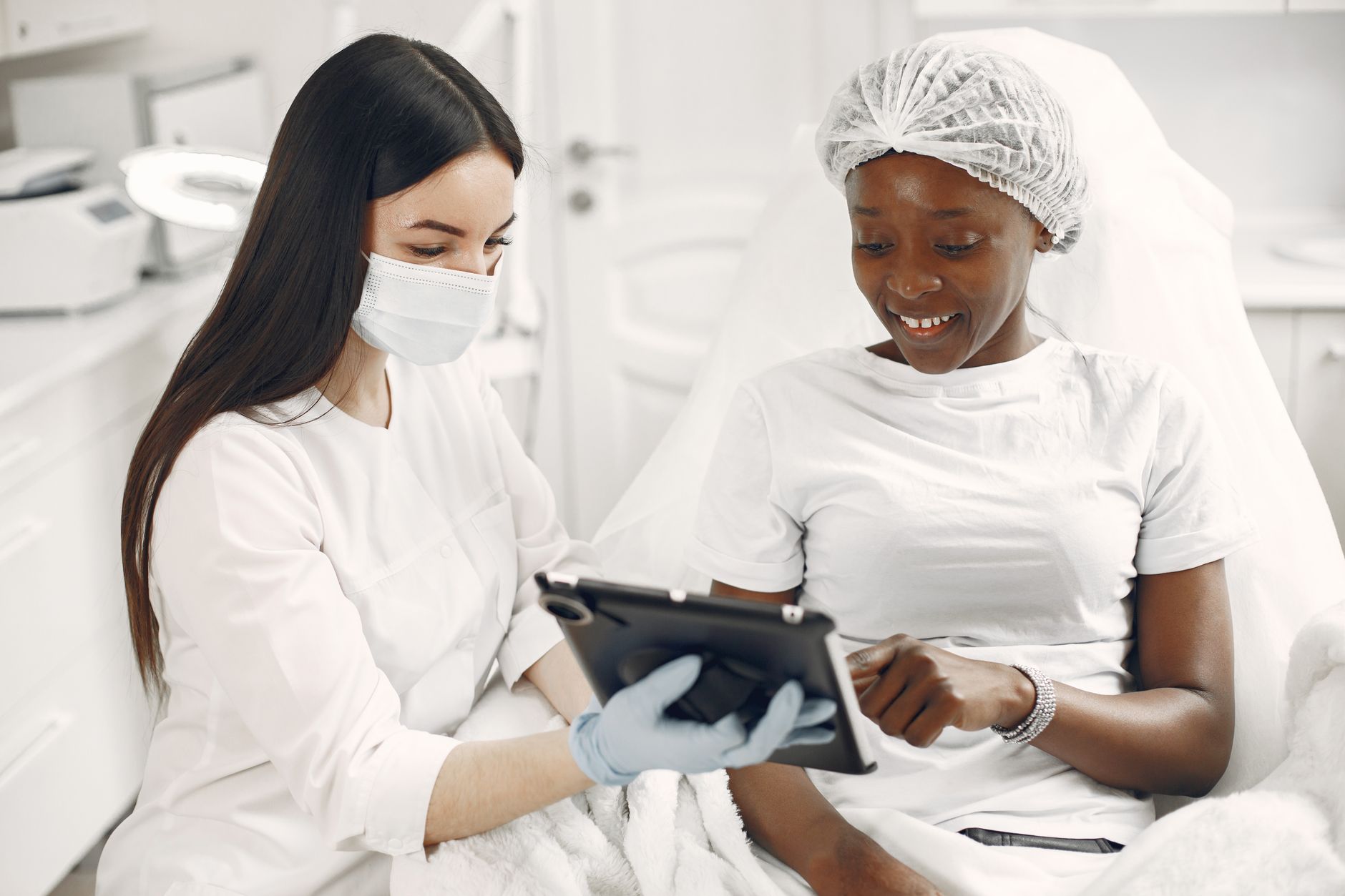
I still remember when my friend Rachel finally got a clear diagnosis for her endometriosis. It took nearly ten years of painful symptoms and countless visits to various doctors before she found a women’s health specialist who really understood her situation. Her story emphasizes how vital these specialists are in women’s healthcare — something a general practitioner (GP) can’t always provide.
These specialists have extensive training focused specifically on issues concerning female biology. Let’s dive into what they cover, their credentials, and when you might want to see one instead of a GP.
What Women’s Health Specialists Address
Women’s health specialists take a broad approach to conditions that impact women’s health. They provide services ranging from reproductive healthcare to menopause management. From what I’ve seen, polycystic ovary syndrome (PCOS) affects about 8-13% of women of reproductive age worldwide. Specialists know how to diagnose and manage these conditions while addressing menstrual disorders and hormonal imbalances, too.
The stats on endometriosis are pretty shocking. Approximately 1 in 10 women are affected, and it can take an average of 7-10 years to get a proper diagnosis. Women’s health specialists are vital in speeding up this process since they’re trained to consider complex symptoms that GPs might miss.
They also handle routine exams like annual well-woman visits, which should ideally start by age 21 or within three years of becoming sexually active. These visits typically include screenings for STIs, Pap smears, and general reproductive health counseling. Plus, with the rise of telehealth platforms like Midi and Alloy, launched between 2019 and 2021, women can easily book consultations from their homes.
Credentials and Training
Becoming a women’s health specialist involves a significant commitment. For example, OB-GYNs must finish a four-year residency after medical school focused specifically on obstetrics and gynecology. This in-depth training allows them to handle childbirth, reproductive health, and various gynecological issues.
Aside from OB-GYNs, women’s health nurse practitioners (NPs) also play a key role. Their average annual salary is around $114,000, as reported by the Bureau of Labor Statistics in 2023. Their training not only includes clinical skills but also emphasizes patient education and preventive care.
Menopause is another important area where specialists excel. The Menopause Society certifies practitioners to manage menopausal symptoms, which may include hot flashes and mood changes. Specialists with this certification can offer targeted therapies that a GP may not be well-versed in.
When to Choose a Specialist Over a GP
While GPs can handle many health concerns, some situations clearly require a women’s health specialist. If you’re experiencing irregular menstrual cycles, severe pelvic pain, or have concerns about pregnancy and fertility, a specialist is probably the best option. I’ve seen that if you’re dealing with conditions like endometriosis or PCOS and feel disregarded by your GP, seeking a specialist can be essential for your health.
Specialists can also help with broader aspects of women’s health, including mental health issues tied to hormonal changes or reproductive health. They often have more expertise in diagnosing and treating conditions that require specialized knowledge.
Women shouldn’t feel they need to have a specific concern to see a specialist. For preventive care, if you sense your health questions or needs aren’t getting the attention they deserve, it’s time to consult an expert in women’s health.
FAQs
What is the difference between a gynecologist and a women’s health specialist?
Gynecologists focus mainly on reproductive health, while women’s health specialists can include NPs and other providers who tackle a wider range of women’s health issues, including wellness and preventive care.
Does insurance cover women’s health specialist visits?
Most insurance plans typically cover visits to women’s health specialists, but coverage may vary by policy. It’s a good idea to check with your provider for specifics.
At what age should you first see a women’s health specialist?
Women should ideally have their first well-woman visit by age 21 or within three years of becoming sexually active to ensure proper health screening.


1 Comments