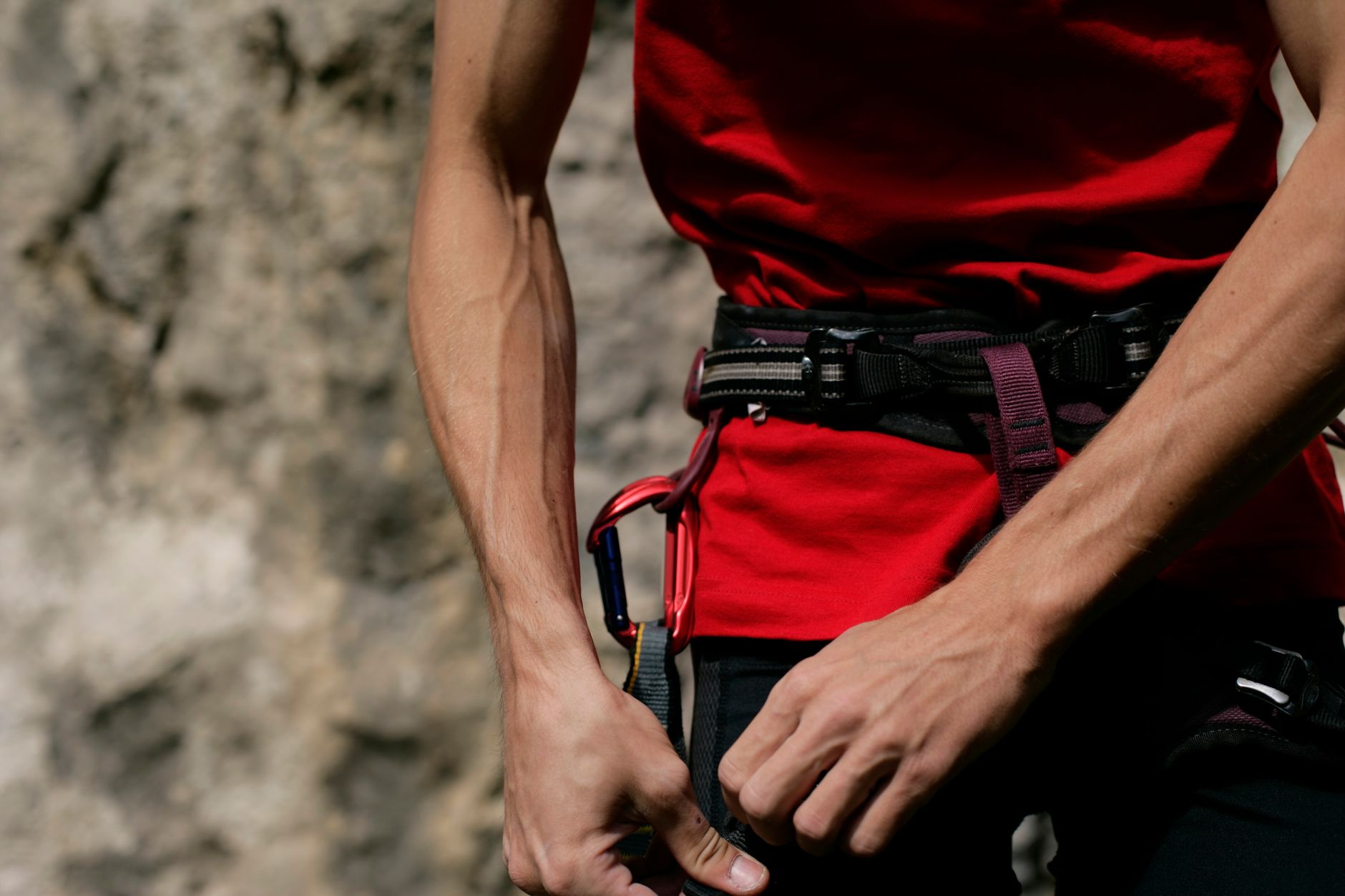
Carabiner fashion gets written off as a gimmick pretty often, and honestly, that’s the wrong read. Most people still picture carabiners as climbing hardware someone accidentally clipped to their belt loop. But the accessory category has moved well past that. Designers are commissioning them, influencers are building outfits around them, and retailers stock dedicated fashion versions right next to their outdoor gear.
The crossover started quietly. Rock climbers wore their gear into coffee shops, the look caught on, and somewhere between 2019 and now it became intentional. What surprised me most, looking at this category, is how fast price points split into two worlds: the functional-but-stylish end sits around $5 to $20, while designer collaborations push past $50 without much resistance from buyers.
So whether you’ve been curious about the trend or already own three of them, here’s an honest breakdown of where carabiner fashion actually stands.
The rise of carabiner fashion
The clearest signal that carabiner fashion had arrived was when luxury labels started paying attention. Gucci put a version on a runway bag. Off-White clipped oversized carabiners onto their utility-heavy collections and charged accordingly. When brands at that level adopt hardware from a climbing shop, it stops being coincidence and starts being a category. From what I’ve seen in retail data, sales of fashion carabiners grew roughly 30% through 2023, which is substantial for an accessory with such a specific shape.
Fashion influencers accelerated this. Accounts focused on gorpcore and utility aesthetics were clipping carabiners to belt loops, tote handles, and jacket zippers years before the luxury end caught up. That street-level adoption gave the look a credibility no campaign could have manufactured. By the time Gucci showed up, the customer already existed.
Does the brand actually matter?
For pure fashion wear, honestly, less than you’d think. But the brand still shapes what you’re getting. Black Diamond and Petzl both make carabiners that moonlight as accessories. Their pieces are engineered, have clean finishes, and hold up longer than the $6 keychain versions. You’re paying $18 to $35 for that, which feels fair.
The fashion-specific end is different. Designer collaborations produce limited runs at $45 and up, often in brass or anodized aluminum with logo engravings. A client of mine picked up an Off-White version last year and wore it on a bag strap for six months without a scratch. The materials are better than the price suggests, in that case at least.
- Budget tier: $5 to $15, basic aluminum, keychain rings, fine for casual use
- Mid tier: $16 to $35, brands like Black Diamond and Petzl, durable finishes
- Designer tier: $36 to $50 and above, limited collaborations, brass or premium aluminum
Styling carabiner accessories
The most common mistake is treating a carabiner like jewelry when it works better as hardware. Clip it to something that moves: a bag strap, a belt loop, a jacket D-ring. The utilitarian logic is the whole point, and fighting that by pinning it flat against a lapel just looks confused. Let it hang.
Layering works well. A few small carabiners in different finishes on a single bag reads more intentional than one large one, and silver aluminum next to a matte black version creates contrast without trying too hard. For jewelry-adjacent styling, small carabiner rings and bracelets are a real thing now. They sit closer to the body and feel less costume-y, which matters if you’re new to the look.
Color is worth thinking about. Anodized options come in red, teal, orange, and gold. Neutral outfits let a colored carabiner do real work. If your outfit already has a lot going on, stick to raw aluminum or black.
The environmental impact of carabiners
This is where the category does something genuinely useful. Aluminum carabiners are almost entirely recyclable, and several outdoor brands have started using post-consumer aluminum in production. Petzl has published recycled content figures for some product lines, and Black Diamond has sustainability commitments covering their hardware (well, mostly their climbing gear, but the fashion-adjacent pieces fall under the same manufacturing process).
The designer collaboration side is murkier. Brass versions from luxury brands aren’t always sourced transparently, and short production runs make it harder to audit. If environmental impact matters to you, the outdoor brands are the safer bet. They’ve been thinking about gear longevity and material responsibility longer than any fashion house.
Durability is its own environmental argument. A $25 aluminum carabiner from a reputable brand will outlast a dozen fast-fashion accessories. That’s not nothing.
Where carabiner fashion is heading
Carabiner fashion isn’t slowing down. The gorpcore aesthetic has staying power because it’s genuinely functional, and carabiners sit at the center of that logic. Expect more designer collaborations through 2025, probably moving into fine jewelry territory where the carabiner clasp replaces traditional lobster-claw closures on necklaces and bracelets.
Customization is picking up too. Small brands are offering laser-engraved versions, and the keychain market has expanded with custom shapes that borrow the carabiner’s oval gate form without being literal copies. It’s a looser interpretation of the trend, but it suggests the shape itself carries cultural weight now, separate from its function.
My honest take: buy one good mid-tier piece from an outdoor brand, use it hard, and see if the look fits your wardrobe before spending $50 on a logo version. The trend has legs, but your personal mileage will vary.
FAQs
What are carabiners used for in fashion?
They’re worn as bag clips, belt loop hardware, keychain rings, and jewelry clasps, borrowing the utilitarian shape as a styling detail rather than for any load-bearing purpose.
How do I style a carabiner accessory?
Clip it to a bag strap or belt loop and let it hang naturally. Layering two or three small ones in mixed finishes reads more intentional than a single large piece.
Are carabiners eco-friendly options?
Aluminum versions from outdoor brands like Petzl and Black Diamond are largely recyclable and built to last years, making them more sustainable than most comparable fashion accessories.