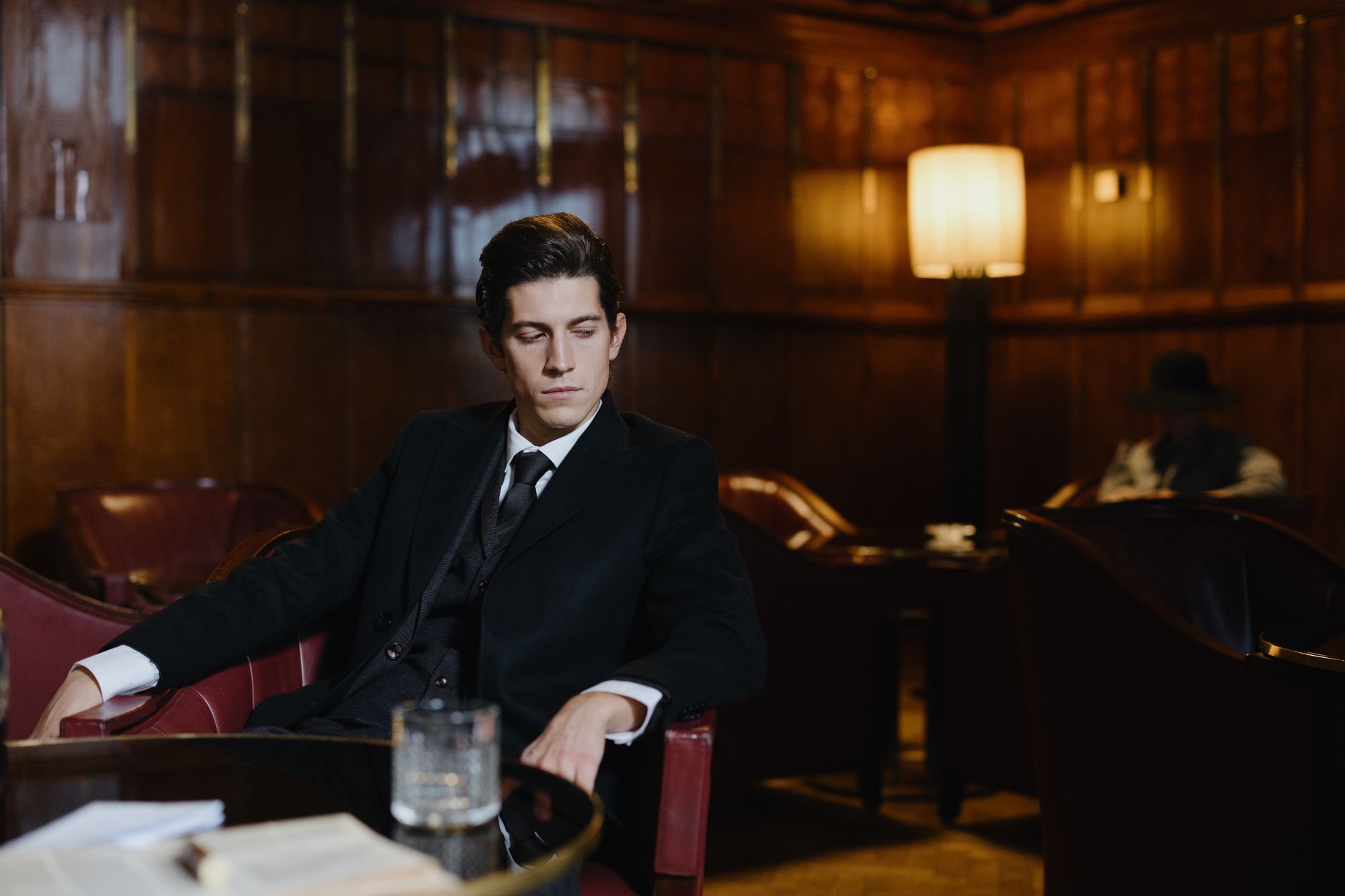
Dandyism fashion has always been more than dressing well. It’s a form of social protest, a quiet way to upend class structures and challenge the unspoken rules everyone else follows. Since its earliest days, it’s shifted and stretched to reflect who we are as a society, and what certain people refuse to become. Understanding it properly means looking at the history, the key figures, and why any of this still matters.
At the core of dandyism sits an odd contradiction: it celebrates the individual while also functioning as a critique of the world that individual lives in. From Beau Brummell’s precise tailoring in Regency London to Billy Porter arriving at the Oscars in a tuxedo gown, dandyism keeps finding new ways to say something.
What Dandyism Actually Means
Dandyism fashion started as a direct response to aristocratic excess, which I find genuinely interesting given how often it gets dismissed as mere vanity. The word “dandy” appeared in the early 19th century, describing men who dressed with real intention and, occasionally, deliberate eccentricity. But the clothing was never really the point. A dandy uses appearance to assert who they are, to poke at class hierarchies, and to raise uncomfortable questions about gender and status. Real-life examples make this concrete in ways that abstract definitions never quite manage.
Brummell to Wilde
Beau Brummell changed men’s fashion around 1800 by doing something that sounds almost boring: he made it simpler. Out went the ornate aristocratic costumes, and in came neatly fitted suits that prioritized cleanliness and understatement. His grooming standards were obsessive by the era’s measure, and that precision itself became the statement. By the mid-1800s, Oscar Wilde took the whole project somewhere louder, wearing velvet suits in bold colors with sunflower buttonholes. Where Brummell whispered, Wilde announced.
Wilde’s influence stretched well past his own lifetime. His look became shorthand for artistic rebellion, and future generations borrowed from it freely while still keeping that commitment to a polished finish. By the late 19th century, dandyism had grown into something broader than any one man’s wardrobe.
Dandyism Across Race and Culture
During the Harlem Renaissance in the 1920s, African American men used dandyism fashion to assert dignity in a country designed to deny it. Langston Hughes, W.E.B. Du Bois, and others wore tailored suits as visual protest against Jim Crow-era stereotypes. The clothes weren’t incidental; they were the argument.
On another continent entirely, the Sapeurs of Congo show how this logic travels. These men invest a striking portion of their income on bespoke suits and accessories, wearing them as declarations of dignity within real poverty. From what I’ve seen in accounts of the movement, that kind of commitment to self-presentation in difficult circumstances carries more weight than almost anything happening on a runway in Paris. Each tailored jacket tells a story of aspiration and refusal that doesn’t need translating.
Dandyism in Contemporary Fashion
The 2010s brought a proper revival, largely through designers like Thom Browne. His slim-cut tailoring with exaggerated proportions attracted people who wanted tradition recut into something stranger. Custom work in that territory runs anywhere from $500 to over $5,000, which is a real barrier (and I’ll admit I’m not entirely sure the price always reflects the social courage the garment is supposed to represent).
Billy Porter’s 2019 Oscars moment was something else, though. A tuxedo gown isn’t a subtle choice, and the reaction confirmed dandyism fashion had moved well beyond its original gendered boundaries. It’s become a genuine platform for exploring gender fluidity, which Brummell could not have anticipated and Wilde probably would have loved.
Fashion as Social Commentary
The staying power of dandyism fashion comes from its refusal to be decorative and nothing else. Every deliberate style choice can challenge assumptions about race, class, or gender, and dandies working today understand that. The specific garments change with every decade, but the underlying impulse, using appearance to push back against what society expects, stays consistent. Brummell’s quiet precision and Porter’s spectacular theatrics are doing the same work, just in different registers.
Where Dandyism Stands Now
What strikes me most is how adaptable dandyism has proven. It survived the Victorian era, the Harlem Renaissance, postwar conformity, and fast fashion. It absorbed new voices from Congo to Hollywood without losing its essential character. And it keeps attracting people who want their clothes to mean something beyond warmth or status signaling. That’s not a small thing, and it probably explains why every few years someone declares dandyism finished, and then someone else walks into a room and proves otherwise.
FAQs
What is the difference between a dandy and a fop?
A dandy pairs sophisticated style with genuine social commentary, while a fop typically chases flamboyance for its own sake, without that deeper intentionality behind the choices.
Is dandyism still relevant today?
Yes, particularly as it’s expanded to challenge gender norms and spark real conversations around identity, well beyond its 19th-century origins.
Can women be dandies?
Absolutely. Dandyism fashion has always been about intentional self-expression, and that’s never been the exclusive property of men.
2 Comments