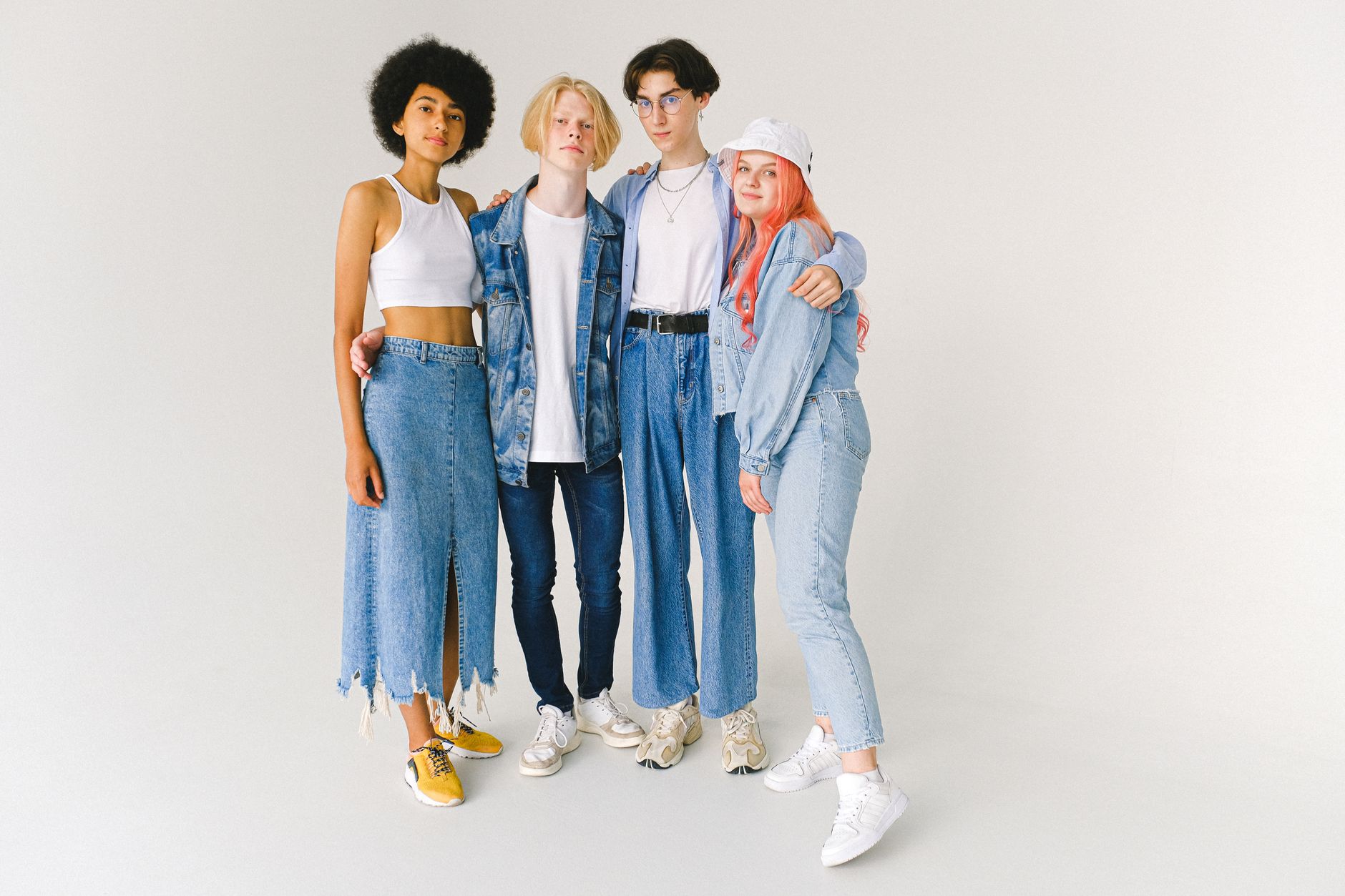
The gen z lifestyle gets painted as broke, distracted, and surgically attached to their phones. That picture is mostly wrong. Gen Z spends roughly $2,500 a month on average, they research purchases more carefully than millennials did at the same age, and a real chunk of that money goes toward things they’ve genuinely thought through. They’re not impulsive. They’re just optimizing for different things than older generations expected.
The bigger story is what they spend on and why. Around 70% say they’d rather pay for an experience than accumulate more stuff, and that’s not a vague cultural preference. It shows up directly in where their dollars land: concerts, travel, fitness, food, and community events rather than appliances, furniture, or branded clothing for its own sake. Compare that to millennials at the same life stage chasing homeownership benchmarks, and the difference in orientation is pretty hard to miss.
So let’s actually look at what’s going on, weigh a few competing angles, and drop the lazy shorthand.
Unique Values and Priorities
Around 30% of Gen Z identify as LGBTQ+, a much higher proportion than any prior generation at the same age. That’s not incidental to their spending; it shapes which brands they trust and which they quietly avoid. A company that stays silent on inclusion issues doesn’t get a pass from this group the way it might have in 2005. They notice, and they talk.
They also lean toward financial pragmatism, which genuinely surprises people. Many watched their parents lose jobs or housing during 2008 or the pandemic. Side income, freelancing, and building small savings buffers matter to them far more than the “live for today” reputation suggests. Values and practicality aren’t at odds here; they coexist pretty comfortably in the same person.
Digital Natives and Social Media
From what I’ve seen working with brands targeting this group, the single biggest mistake is treating Gen Z as passive scrollers. A large majority use social media to find new products, and TikTok and Instagram are where most of that discovery happens. But they cross-reference reviews, watch unboxings, and read comment sections before committing. The social feed is less entertainment and more a research tool with a better interface.
TikTok tends to surface brands they’d never have found otherwise. Instagram functions more as a verification layer, where they check whether a brand looks legitimate and consistent. The two platforms serve different jobs in the same decision process, which matters a lot if you’re trying to reach this audience through either one.
Sustainability and Ethical Consumption
Roughly 60% of Gen Z say sustainability is a real factor in their purchase decisions, not just a nice-to-have. That said, there’s a gap between intention and behavior that’s honest to acknowledge (and I’d be skeptical of anyone who claims otherwise). When the sustainable option costs 40% more, plenty of Gen Z shoppers go with the cheaper one. They’re not hypocrites; they’re dealing with real budget limits.
Where sustainability shows up most consistently is in brand loyalty rather than individual transactions. They’ll switch away from a brand caught greenwashing faster than older consumers would. Thrift shopping, clothing swaps, and secondhand platforms have moved from niche to genuinely mainstream within this group, partly for environmental reasons and partly because it’s cheaper.
Experience-Driven Spending
This is where the gen z lifestyle diverges most sharply from prior generations. Music festivals, cooking classes, gym memberships, travel with friends, and restaurant experiences claim a bigger share of monthly budgets than comparable cohorts spent on those things twenty years ago. The preference for experiences over objects isn’t just philosophical. It’s measurable.
Compare a 24-year-old Gen Z renter today to a 24-year-old boomer in 1982: the boomer was likely saving for a down payment and buying furniture. The Gen Z equivalent is more likely budgeting for a trip to Japan or a season of climbing gym memberships. Neither approach is objectively right, but the shift is real. It’s partly driven by the fact that homeownership feels genuinely out of reach, so aspiration spending has been redirected somewhere else.
Influencers vs. Peers
Influencer marketing works on Gen Z, but not the way brands usually assume. Mega-influencers with millions of followers carry less weight than smaller creators who feel like actual people. A recommendation from someone with 40,000 followers in a specific niche often converts better than a polished campaign from a celebrity with 4 million. Authenticity, or at least the credible appearance of it, is the variable that matters most.
Peer recommendations still beat influencer content in most purchase categories, especially for higher-ticket items. A text from a friend outperforms a sponsored post pretty reliably. Brands that figure out how to get into peer-to-peer conversations, through community building or referral mechanics, tend to do better than those chasing follower counts.
Where This Is Heading
The gen z lifestyle will keep pulling spending toward experiences, digital goods, and values-aligned brands as this generation earns more. Their collective purchasing power is growing fast, and habits forming now tend to stick. Brands treating them as a monolith are going to keep getting it wrong. The ones paying closer attention to the tension between sustainability ideals and budget limits, or the difference between TikTok discovery and Instagram validation, are better positioned. This group rewards genuine attention to detail, and they’re quicker than most to notice when they’re not getting it.
FAQs
What are Gen Z’s spending habits?
Gen Z spends around $2,500 monthly on average, prioritizing experiences, food, fitness, and travel over physical goods, while researching purchases carefully before buying.
How does social media influence Gen Z?
TikTok surfaces new brands while Instagram works as a credibility check; most Gen Z shoppers use both before deciding to buy.
What values are important to Gen Z?
Inclusion, sustainability, and financial pragmatism rank highest; they favor brands that align with those values and drop ones that visibly contradict them.