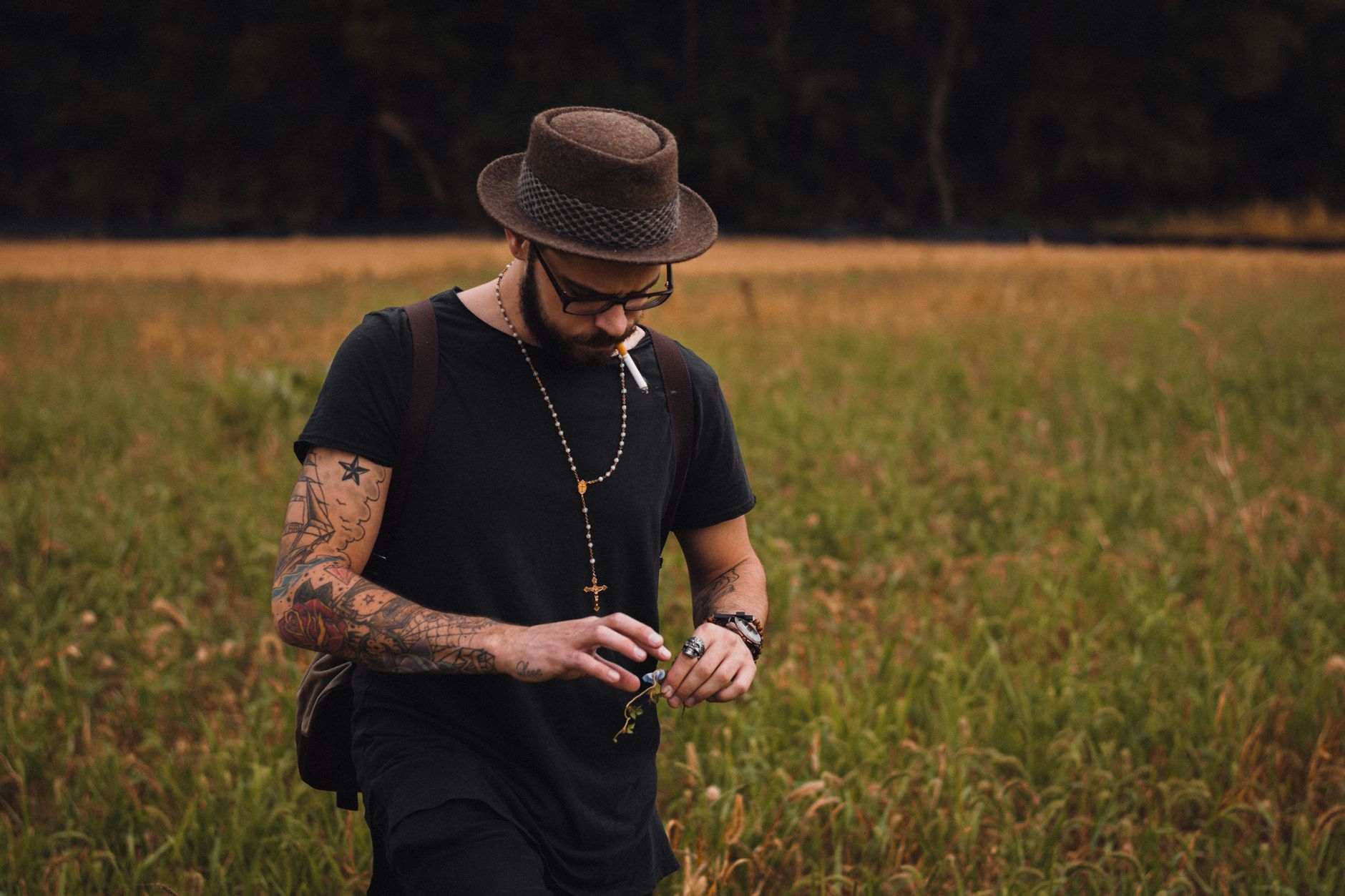
An alternative lifestyle used to suggest you were either really brave or just flat broke. These days, it seems more about realizing the conventional path isn’t for you. People are questioning the whole mortgage-car-commute routine, and what they’re choosing is often older, stranger, and cheaper than you might expect.
This isn’t just about escaping society. Most folks living alternatively are still engaged, still working, and still raising kids. They’re merely changing the basics: where they sleep, what they do, and who they collaborate with. The specifics vary widely, and that’s what makes this intriguing.
History of alternative lifestyles
The concept of living outside societal norms isn’t new at all. Intentional communities have been around since at least the 1840s. Groups like the Shakers and the Oneida Community created shared economies in the Northeast. Thoreau’s time at Walden Pond (1845-1847) gave the idea a literary spark that’s still referenced. The counterculture of the 1960s took this further, making alternative lifestyles more mainstream, for better or worse. By the 1970s, there were about 10,000 communes in the U.S. Many didn’t last, but the underlying impulse stuck with us.
Different types of alternative lifestyles
There are more kinds than you’d think. Here are five popular ones right now:
- Off-grid living — generating power, collecting water, growing food
- Tiny home living — homes under 400 square feet, on wheels or fixed
- Minimalism — consciously owning and spending less, regardless of where you live
- Communal or co-housing living — sharing property and costs with unrelated adults
- Van life or nomadic living — using a vehicle as your primary home, often paired with remote work
These styles blend more than they separate. Many tiny home owners are also minimalists. A good number of off-gridders choose to live in intentional communities. These categories are handy shorthand, but not rigid fences.
Off-grid living and the numbers
Getting accurate estimates on the off-grid population is tricky; few register as off-grid. From what I’ve seen, there are about 250,000 American families living fully off-grid. A larger number live partially off-grid, relying on solar and rainwater but still connected to the grid. That partial group is expanding quickly. Since 2010, solar panel costs have dropped roughly 90%, making it easier for more people to jump in. A basic solar setup for a small home may cost between $15,000 and $30,000 installed, depending on usage and location.
Costs of tiny homes
The average tiny home costs around $30,000 if you build it yourself or buy a kit, while a pre-built version runs between $60,000 and $80,000. That’s still a fraction of the median U.S. home price, which hit over $400,000 recently. The challenge is land. Zoning laws often predate tiny homes as a category, making it quite the hassle to find legal spots. Some owners pay $400 to $700 monthly for a lot in a tiny home community, which can eat into your savings but simplifies legal issues. It’s workable, if not perfect.
Minimalism in America
I came across a survey where 78% of Americans said they embrace at least some minimalist values. That sounds high until you realize the definition is pretty broad. Owning fewer clothing items than your parents qualifies. However, the more intense version—actively tracking and reducing possessions—probably has only around 5–10% of adults doing it seriously. The decluttering economy is booming, though; think of the Container Store and professional organizers all thriving at once, indicating something complicated about how Americans interact with minimalism.
Advantages of communal living
The financial benefits are clear-cut. Splitting a $3,000 monthly mortgage among six adults means just $500 each. Shared groceries, tools, childcare—it all adds up. Beyond the money, research shows intentional communities often have lower loneliness rates and higher life satisfaction, though those studies usually focus on people who chose to be there. So, there’s a chance of selection bias. The reality is communal living can struggle if groups skip legal agreements. A co-housing lawyer once told me that treating shared ownership like a friendship, not a business, is a common pitfall.
Countries embracing alternative living
Denmark tops the list for co-housing communities, with over 700 established groups. Portugal attracts off-grid and van life communities thanks to its lenient rural zoning and low land prices. New Zealand rounds out the top three, boasting a long history of intentional living in the South Island, where land is still affordable compared to other similar countries. All three countries share planning frameworks that are friendly to non-traditional housing.
Future of alternative lifestyles
The movement for alternative lifestyles isn’t fading away. With rising housing costs, the power of remote work, and worries about the climate, more people are exploring these options. Tiny home zoning reforms are slowly progressing through U.S. state legislatures, and co-housing developers are popping up in suburban areas. The big question now is whether mainstream society will absorb these ideas or simply commercialize them. My guess is we’ll see a bit of both, as is typical with major cultural shifts.
FAQs
What are alternative lifestyles?
They’re intentional ways of living that diverge from conventional norms, involving off-grid living, tiny homes, minimalism, communal arrangements, and nomadic lifestyles.
How can I start living off-grid?
You can start by gradually reducing dependence on the grid: try adding solar panels, collect rainwater, and explore land options, usually taking 2-5 years and $20,000-$50,000.
What is the cost of a tiny house?
Self-built tiny homes average about $30,000; pre-built units are typically $60,000-$80,000. Additionally, land rental costs range between $400-$700 monthly in most tiny home communities.



1 Comments