Importance of Sustainable Choices
The lifestyle accessories market is moving fast, with projections putting it around $100 billion by 2025. From what I’ve seen working with smaller eco-focused brands, younger buyers are genuinely driving this, not just clicking “sustainable” filters and ignoring them. Millennials in particular seem to care enough that it changes what ends up in their cart, not just what they say in surveys.
As environmental awareness spreads, the appetite for products that back up a sustainable lifestyle keeps climbing. This article looks at what’s actually available in sustainable lifestyle accessories, which brands are worth knowing, what trends are shaping the market, and how you can shop smarter without overthinking it.
Making sustainable choices in lifestyle accessories matters more now than it did five years ago. Eco-friendly product sales grew sharply around 2022, pushed by people who wanted to cut their environmental footprint without giving up style or function. Reusable bags, biodegradable phone cases, sustainable fashion items: these all chip away at plastic waste in a way that adds up when enough people switch. It’s a slow shift, but it’s real.
And when you buy from brands with ethical manufacturing and fair labor standards, you’re doing more than reducing waste. You’re nudging the whole industry. More companies start chasing that same customer, which usually means better options for everyone over time.
Leading Brands in Eco-Friendly Accessories
Several brands stand out in sustainable lifestyle accessories, each doing something a bit different.
- Patagonia: Built around recycled materials and their “Worn Wear” program, which encourages repair over replacement. Genuinely committed, not just marketing.
- Baggu: Reusable bags made from recycled materials. Stylish enough that people actually use them, which is the whole point.
- Pela Case: Biodegradable phone cases that break down after disposal, a real contrast to traditional plastic that lingers for centuries.
- Allbirds: Footwear using merino wool and eucalyptus fiber. Comfortable and lower-impact, though I’ll admit the price point isn’t for everyone.
These brands treat lifestyle accessories as a chance to promote environmental awareness, not just sell products. That distinction shows in how they talk about their supply chains and what they’re willing to be accountable for.
Key Trends in Lifestyle Accessories
The market for lifestyle accessories is shifting in a few clear directions right now.
- Minimalism: Buyers want fewer, better things. Less impulse buying, more deliberate choices.
- Upcycling: Brands are pulling discarded materials back into production, which cuts waste and often produces genuinely interesting textures and finishes.
- Transparency: Consumers want to know where products come from. Brands that share their sourcing openly are earning real loyalty because of it.
- Tech integration: Solar-powered chargers, energy-efficient gadgets. Useful proof that sustainability and convenience aren’t mutually exclusive.
Taken together, these trends point toward conscious consumerism becoming a baseline expectation, not a niche preference. Buyers are starting to assume transparency, and brands that can’t deliver it are losing ground.
Practical Tips for Consumers
If you want to shift toward sustainable lifestyle accessories without it feeling like a research project, a few habits make a big difference.
- Research brands: Check for certifications, read actual reviews, and look at how openly a brand talks about its manufacturing.
- Choose quality over quantity: A $40 bag you use for three years beats a $12 one you replace twice a year.
- Opt for reusables: Water bottles, bags, utensils. These usually pay for themselves within a few months.
- Support local: Local artisans and small producers often have shorter, cleaner supply chains, and buying local cuts transportation emissions.
- Stay informed: Sustainable living moves quickly. Following a couple of good sources keeps your choices current.
When I set this up for myself, the easiest win was reusables. Start there. The rest follows naturally once you’re paying attention.
What Comes Next
The future of lifestyle accessories looks genuinely interesting as consumer awareness deepens. Heading toward that $100 billion market, expect more innovation in materials, tighter supply chain accountability, and sustainability shifting from a selling point to a basic requirement. Companies that dragged their feet on eco-friendly practices are already feeling pressure from buyers who know what to look for.
Sustainable lifestyle accessories aren’t going back to being a fringe category. They’re becoming the default, slowly but clearly, and the brands investing now will be the ones setting the standard in five years.
FAQs
What are lifestyle accessories?
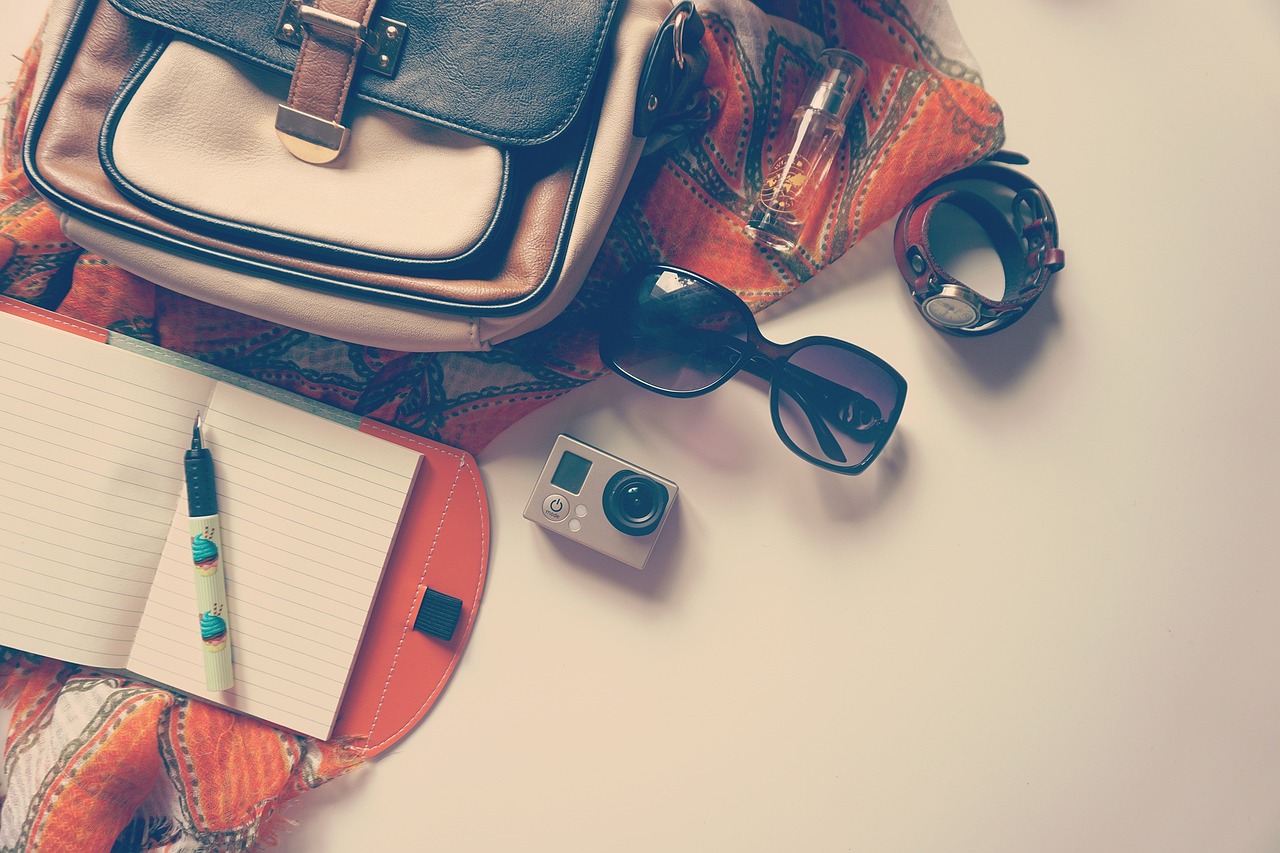
Lifestyle accessories are everyday items, including bags, jewelry, tech gadgets, and home decor, that reflect personal style and values while serving practical functions.
How to choose sustainable accessories?
Check for eco-certifications, look at a brand’s sourcing transparency, and prioritize durable reusable products over single-use options.
Are lifestyle accessories worth the investment?
Quality sustainable lifestyle accessories tend to last longer and save money over time, while reducing your overall environmental footprint.