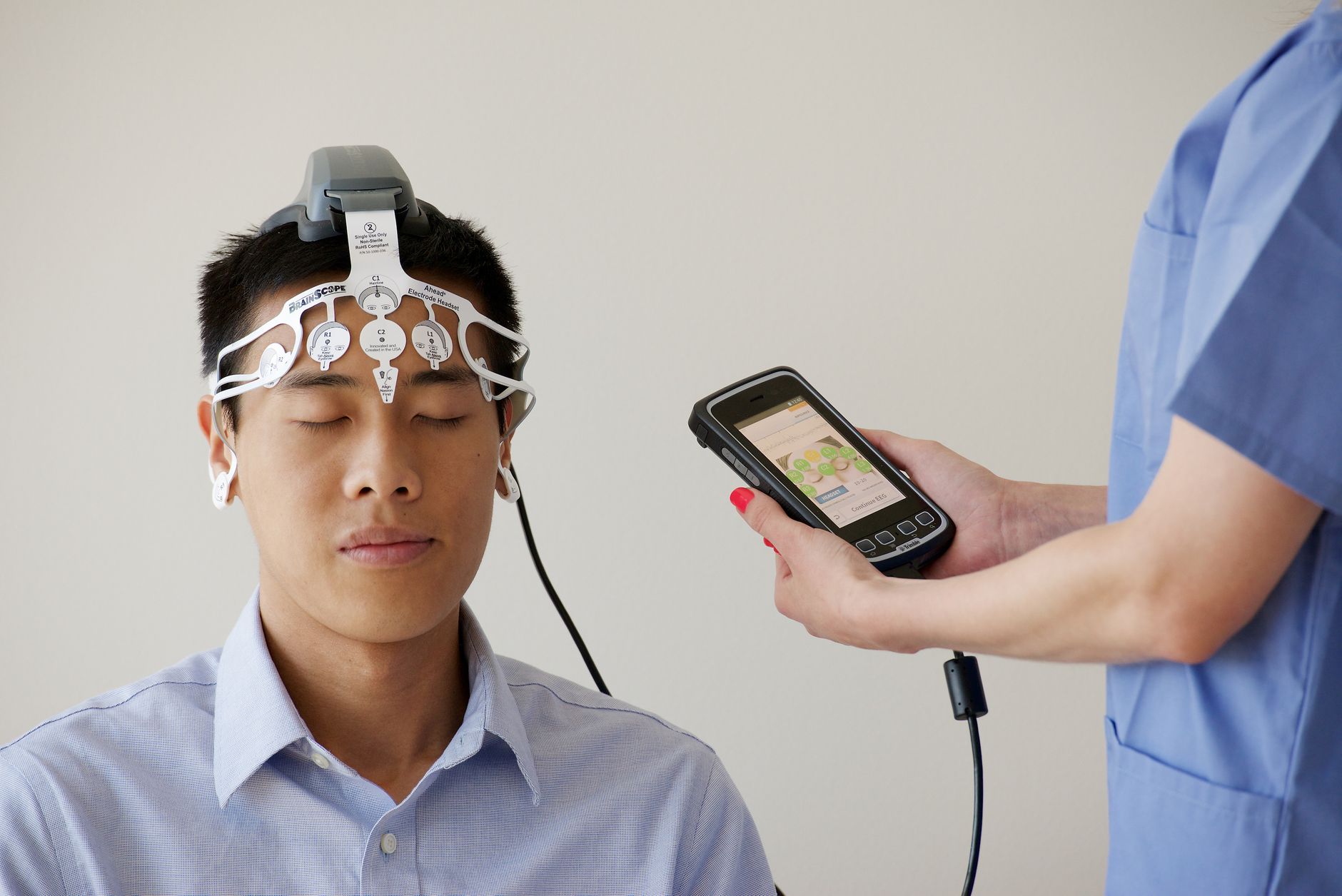
The brain-computer interface (BCI) technology market is projected to reach an impressive $4.5 billion by 2024, with an annual growth rate of around 15%. This surge isn’t just a flash in the pan—breakthroughs in neuroscience and engineering are truly reshaping our tech interactions. You might find it intriguing how BCI applies across fields like healthcare, gaming, and even military use. It’s not science fiction anymore; it’s rapidly becoming a part of our reality.
Since 2016, we’ve hit some key milestones that have made BCI technologies more accessible and advanced. Companies such as Neuralink and Kernel are leading the charge, expanding the boundaries of what we thought possible. I’ve often wondered about the ethical dilemmas surfacing with these advancements. Let’s dig into the current state of BCI technology and the surprising directions it’s headed.
Current State of BCI Technology
BCI technology today includes various systems that enable direct communication between the brain and external devices. Recently, we’ve seen some impressive achievements, like trials where paralyzed individuals can control robotic limbs just by thinking. It’s fascinating to see how machine learning and neuroimaging are enhancing our ability to interpret brain signals accurately.
Still, this tech is in its early stages. Many of the basic systems are limited to clinical settings, but consumer-friendly versions are on the rise. With more investment and research, we’re looking at endless possibilities. This year, I expect there to be a bigger push for interfaces that blend seamlessly into our everyday devices, paving the way for exciting innovations.
Leading Companies in the Market
When you think of BCI technology, Neuralink and Kernel immediately come to mind. Neuralink, co-founded by Elon Musk, is all about developing invasive technologies. They focus on implanting devices into the brain, which could enhance cognitive functions and improve communication with computers.
Kernel, in contrast, is betting on non-invasive methods that don’t involve any surgery. They use advanced sensors and algorithms to decode brain activity without the need for implants. It’s interesting to see this divide in the industry: invasive solutions offer high performance but carry significant risks, while non-invasive methods are safer but might have limited capabilities.
We also have players like Blackrock Neurotech and Synchron, each contributing their unique perspectives to the fast-evolving world of brain-machine interfaces. The competition is fierce, and companies are urgently working to develop innovative products that meet a growing demand in the market.
Non-Invasive vs Invasive Methods
It’s important to understand the difference between invasive and non-invasive methods in BCI technology. Invasive procedures involve surgically implanting devices, leading to more accurate readings of brain signals. That said, they come with health risks like infection and potential neurological damage.
Non-invasive methods, such as electroencephalography (EEG), utilize external devices to measure brain wave activity. They’re safer and free from surgical risks, but they often lack the precision of their invasive counterparts. Depending on what you’re after, one method might be more fitting than the other. For medical rehab, invasive methods might yield better results, whereas non-invasive options are usually preferred for gaming or consumer applications.
It’s much like choosing between a sports car and a bicycle: one’s faster and delivers peak performance, while the other is safer and more accessible. As more people jump on board, businesses need to balance the trade-offs between performance and safety.
Real-World Applications and Uses
BCI technology is already making waves in various industries. In healthcare, it’s being used for neurorehabilitation, helping patients recover from strokes or spinal injuries by giving them the ability to control devices just through thought. In gaming, some companies are developing games that allow players to navigate characters using only their brain activity.
The military also sees its potential; BCI could let soldiers control drones or equipment with their minds, minimizing physical strain while boosting efficiency. The entertainment sector is also eyeing BCI to craft immersive experiences tailored to a user’s emotional state.
These applications highlight BCI’s versatility and its potential to significantly change our everyday experiences. If we keep pushing innovation forward while addressing challenges, the possibilities are pretty vast.
Ethical Considerations to Address
As with any fast-evolving technology, BCI brings several ethical questions to the forefront. There’s a real concern about potential misuse, especially around privacy issues. Just think about a scenario where thoughts could be accessed or influenced via BCI devices. That idea raises valid concerns about consent and mental privacy.
Then there’s the topic of accessibility. As BCI technology progresses, will everyone get access, or will it create a gap between those who can afford it and those who can’t? On top of that, integrating AI into BCI systems brings up issues of control and reliance on technology—a conversation we really need to keep having.
Addressing these ethical questions is essential to ensuring BCI remains a tool for good. Striking a balance between innovation and ethics is going to be one of the key challenges for the industry.
The Future of BCI Technology
Looking ahead, BCI technology stands to grow significantly. With a forecasted market value of $4.5 billion in 2024, the momentum isn’t likely to slow down. Companies are in a race to innovate, and new contenders are joining the scene, each with fresh ideas.
As we move forward, the emphasis will probably be on enhancing usability and accessibility in BCI devices. Ideally, we’d create products that allow for effortless interaction between humans and machines. Picture being able to control your smartphone or home simply by thinking about it.
The journey of BCI technology is just starting. The combination of neuroscience, machine learning, and user interface design is set to fundamentally change how we connect with each other and the world. With every step forward, the dream of merging brain functions with technology gets a little closer.
FAQs
What is BCI technology?
BCI technology, or brain-computer interface technology, connects the brain with external devices, allowing for communication and control using brain signals.
How does BCI work?
BCI systems detect neural activity through sensors, decode the signals, and translate them into actions that control devices like computers or prosthetics.
What are the risks of BCI technology?
The risks of BCI technology include surgical complications in invasive methods, privacy issues regarding thoughts, and ethical dilemmas about consent and individual autonomy.



1 Comments