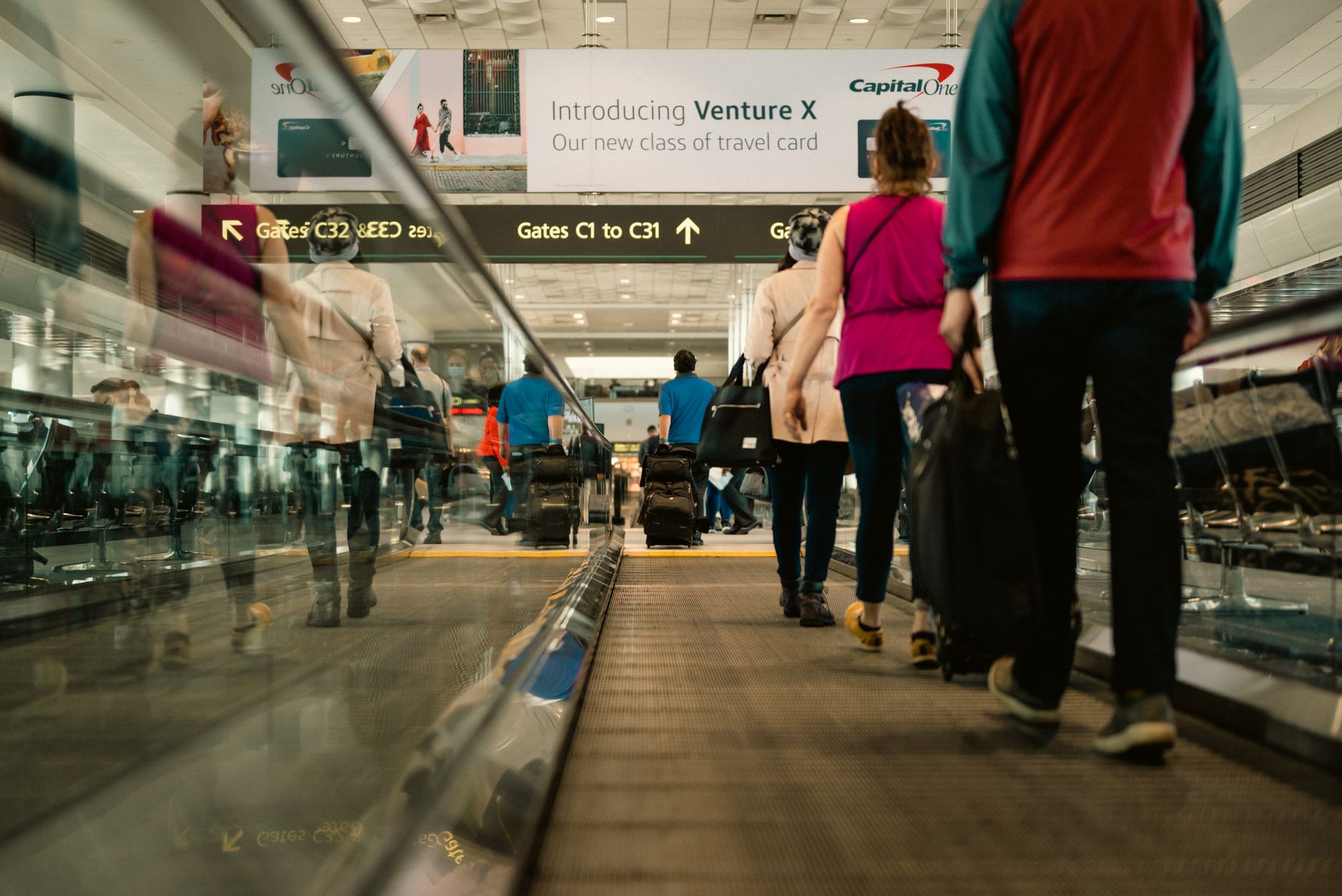
It’s kind of wild how much travel ads shape the trips we actually take. When did you last plan a vacation without scrolling through Instagram shots of beaches or mountain trails first? From what I’ve seen working with travel brands, a large majority of travelers can trace their trip ideas back to an ad or sponsored post they stumbled across. And with the industry spending somewhere around $6 billion annually on advertising, there’s real money riding on whether those ads land or get ignored.
The average return on travel ad spend sits around 5:1, meaning five dollars back for every one spent on bookings. That’s why brands keep pouring budget into the channel. A huge share of Instagram users follow travel accounts, so the platform functions almost like a free mood board that also happens to serve paid ads. So how did travel advertising get this sophisticated? Worth tracing the path.
Evolution of Travel Ads
Travel advertising used to mean glossy brochures and magazine spreads with a punchy tagline underneath a sunset photo. The internet changed that fast. Sites like TripAdvisor and Expedia pulled travelers away from travel agents and toward screens, and the ad formats followed them there. By the early 2000s, display ads and search placements had replaced a lot of what print once did.
Social media shifted things again. Facebook’s targeting tools let travel brands reach people based on interests, past travel searches, and even life events like upcoming anniversaries. That specificity was genuinely new. Suddenly a honeymoon resort could show its ad to engaged couples in cold climates, and almost nobody else. The line between editorial content and paid promotion got blurry fast, and honestly it’s never really recovered.
Today’s travel ads come in formats that didn’t exist ten years ago: short-form video, shoppable posts, search ads triggered by a phrase typed at midnight. Real-time data means a campaign manager can pull a struggling ad after two days and reroute the budget. That’s a different world from waiting to see if a magazine insert moved the needle.
Impact of Social Media Campaigns
Social platforms changed travel ads in a way that still surprises me a little. When a traveler posts their own photos from a resort using its hashtag, that content reaches their followers with a credibility no paid ad can replicate. It’s a personal recommendation dressed as a vacation album. Brands figured this out and started building campaigns around it rather than fighting it.
A mid-size resort I worked with ran an Instagram campaign built around guest stories rather than polished brand photography. Their team reposted real guest images, wrote captions that named the specific beach or dish featured, and kept the tone conversational. Inquiries picked up noticeably within three weeks. The lesson was that authenticity moves people more than a perfectly lit hero shot, even when both are technically “travel ads.”
Community matters here too. Hashtags create loose groups of people who’ve been somewhere or want to go. Travelers scroll those tags for honest impressions before they book. A brand that shows up inside that conversation, rather than interrupting it, tends to do better.
Effective Strategies for Travel Ads
From what I’ve seen, three things separate travel ads that convert from ones that get scrolled past: targeting, storytelling, and visuals that actually show the experience.
- Targeting: Facebook and Google let you narrow by demographics, travel interests, and past behavior. Use it. A generic broad audience wastes budget.
- Storytelling: A family building a sandcastle sells a beach better than a wide shot of empty shoreline. Show what someone does there, not just what it looks like.
- Engaging visuals: High-quality photos and short video are table stakes now. But the visual should convey the feeling of being there, not just document that the place is pretty.
I’d add one honest caveat: even a well-targeted, beautifully shot travel ad can flop if the landing page is slow or confusing. That’s where I’ve watched good campaigns fall apart. The ad is only half the job.
Where Travel Ads Are Headed
Travel ads are doing more than selling holidays; they’re shaping where people think it’s even possible to go. With so many travelers tracing their ideas back to something they saw in a feed, brands carry real influence over destination trends. That’s worth taking seriously, both as a marketer and as a traveler who’d rather not end up somewhere that was built for the camera.
Post-pandemic travel demand gave the whole industry a jolt, and ad budgets followed. Expect more personalized formats, more video, and probably some experimentation with virtual previews of destinations. I’m genuinely uncertain how much the immersive-tech angle will move mainstream travelers versus early adopters, but the direction is clear. Whatever the format, travel ads will stay central to how people decide where to go next.
FAQs
What are the best platforms for travel ads?
Facebook, Instagram, and Google cover most of the ground, thanks to their targeting tools and the sheer size of their travel-interested audiences.
How do travel ads affect booking decisions?
They plant the idea and then supply the detail that tips someone from browsing to booking, often working across several touchpoints before a decision is made.
What is the future of travel advertising?
More personalization and more video, with some brands testing immersive previews; the core job of inspiring and informing travelers stays the same.



2 Comments