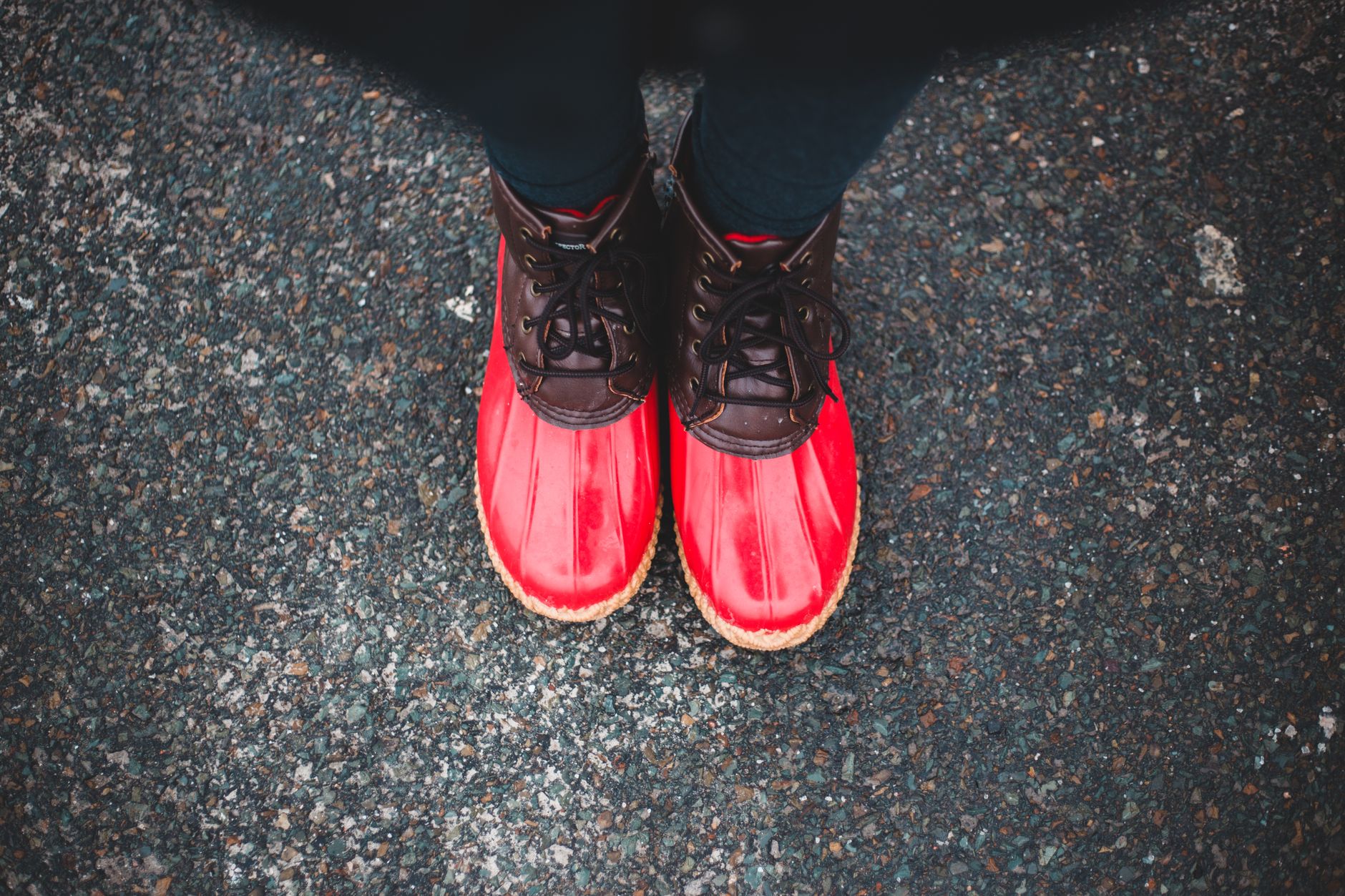
When you’re on the hunt for the best women’s waterproof walking shoes for travel, it’s easy to think more waterproofing is always better. That’s simply not true. A shoe with a 20,000 mm hydrostatic head rating is overkill for strolling cobblestone streets in Lisbon. Plus, it tends to result in a stiffer, heavier shoe that can cause foot discomfort by day three. The trick is to match the waterproof rating with the terrain you’ll encounter.
After testing shoes across three continents over the years, I’ve noticed a common theme: many women overspend on technical specs they don’t really need, leading to complaints that their shoes feel like cumbersome boots. A solid 10,000 mm rating is more than enough for handling heavy rain and puddles while still keeping things flexible. That should be your starting point, not the end.
Top brands for women travelers
From what I’ve seen, five brands consistently pop up in trustworthy reviews, and they definitely live up to the hype. Salomon leads the pack for trail-to-city crossover shoes. The Merrell Moab line is practically a default recommendation for good reason: it offers wide sizing, reliable Gore-Tex integration, and a price that won’t break the bank. Hoka’s Anacapa series has surprised many with solid waterproofing while still being lightweight at under 1.3 lbs per shoe. At the budget end, Columbia does a decent job without cutting corners, while Keen provides the widest toe box, which is a game-changer on long travel days.
Key features to consider
Weight is a crucial number most folks overlook. Under 1.5 lbs per shoe is the sweet spot for all-day walking. If you go heavier, you’ll definitely feel it after just a few hours on uneven ground. Also, pay attention to the waterproof membrane. Gore-Tex is the gold standard, but proprietary options from Merrell (M Select DRY) and Salomon (Climasalomon) perform well in many conditions.
Outsole grip is another aspect that’s often underrated in travel. Urban travelers deal with slick surfaces like marble and wet tiles more often than mud. In my opinion, a tighter lug pattern performs better than a deep, aggressive tread. Look for Vibram or a similar branded option. Cushioning stack also plays a role in preventing fatigue. Anything under 25 mm in the midsole can feel pretty punishing on hard city surfaces after a long day out.
Price comparison for quality
The honest range for a quality shoe is between $65 and $200. Anything below $65 usually means the waterproof membrane won’t hold up for more than six months with regular use. The $90 to $130 range is where you’ll find Merrell and Columbia, both of which perform well for trips with mixed terrain. Salomon and Hoka fall around the $140 to $170 mark, which is worth it if you’re logging serious miles. Beyond $180, you’re mainly paying for lighter materials and brand prestige, which is beneficial for ultralight packers but not necessary for most travelers.
| Brand | Price Range | Weight (per shoe) | Waterproof Rating |
|---|---|---|---|
| Merrell | $100–$140 | 1.2 lbs | 10,000 mm+ |
| Salomon | $140–$170 | 1.1 lbs | 10,000 mm+ |
| Hoka | $150–$175 | 1.3 lbs | 10,000 mm+ |
| Columbia | $65–$100 | 1.4 lbs | 10,000 mm |
| Keen | $120–$160 | 1.4 lbs | 10,000 mm+ |
Terrain-specific recommendations
If you’re primarily doing city walking, airport layovers, or occasional hikes, give the Merrell Siren 4 GTX or Hoka Anacapa Low GTX a shot. Both work well as casual shoes without screaming “hiking gear.” For trips that mix urban and nature, like exploring Prague’s streets and hiking in Slovenia, I’d go with the Salomon X Ultra 4 GTX. It transitions easily without needing a complete sole change.
For pure hiking trips with river crossings or continual wet conditions, you’ll want Keen’s Terradora Flex. It offers effective toe protection and better waterproof coverage. It’s a tad heavier at 1.4 lbs but performs well in muddy situations compared to lighter rivals.
User ratings and reviews
Every shoe mentioned here has a rating of 4 stars or above on sites like REI and Backcountry, which gives a nice benchmark. However, don’t skip the one- and two-star reviews; they tell you what you need to know. Common complaints are worth your attention: Merrell’s sizing can be a touch narrow on some models, Keen’s arch support can divide opinions, and Hoka’s break-in period is quite real, often taking 20 to 30 miles before they feel comfortable. Keep this in mind when preparing for a big trip.
Care tips for longevity
To keep waterproof shoes functioning well, they need two things: clean membranes and a refreshed DWR coating. After a muddy adventure, rinse them with cold water using a soft brush, and skip hot water and washing machines. Both damage the membrane faster than regular wear. Let the shoes air dry away from direct heat sources. Stuffing them with newspaper can speed up drying without distorting their shape.
The DWR coating, which keeps water at bay, usually wears off after about 40 to 60 hours of wet use. A simple spray-on re-treatment, like Nikwax TX.Direct, is around $12 and can extend the life of your shoes significantly. Many people skip this step and then wonder why their “waterproof” shoes are damp after just six months.
Smart picks for travel
Finding the best women’s waterproof walking shoes for travel boils down to two key choices: how much weight you can handle and what kind of surfaces you’ll frequently encounter. If you want versatility, the Merrell Siren 4 GTX at around $120 covers a broad range of conditions without requiring a special budget. If you’re really hitting the trails often, consider spending that extra $40 to $50 for Salomon. Keen is worth a look if you need a wider fit but remember no single shoe suits every traveler. Whenever possible, try before you buy and give them a 15-minute test walk. Your feet will give you the best feedback.
FAQs
What makes a walking shoe waterproof?
A sealed membrane, usually Gore-Tex or a similar brand, blocks water entry while allowing vapor to escape. The outer fabric’s DWR coating also helps with light rain before moisture reaches the membrane.
How much should I spend on waterproof shoes?
For most travelers, spending around $100 to $140 ensures you get durable waterproofing and comfort. Anything over $170 mainly buys lightweight materials without noticeable improvements in waterproofing.
Are heavier shoes better for hiking?
No way. Shoes under 1.5 lbs offer plenty of support for hiking. Heavier shoes can create fatigue over longer distances without providing significant stability advantages on moderate terrain.

1 Comments